Preparation is the real competitive advantage

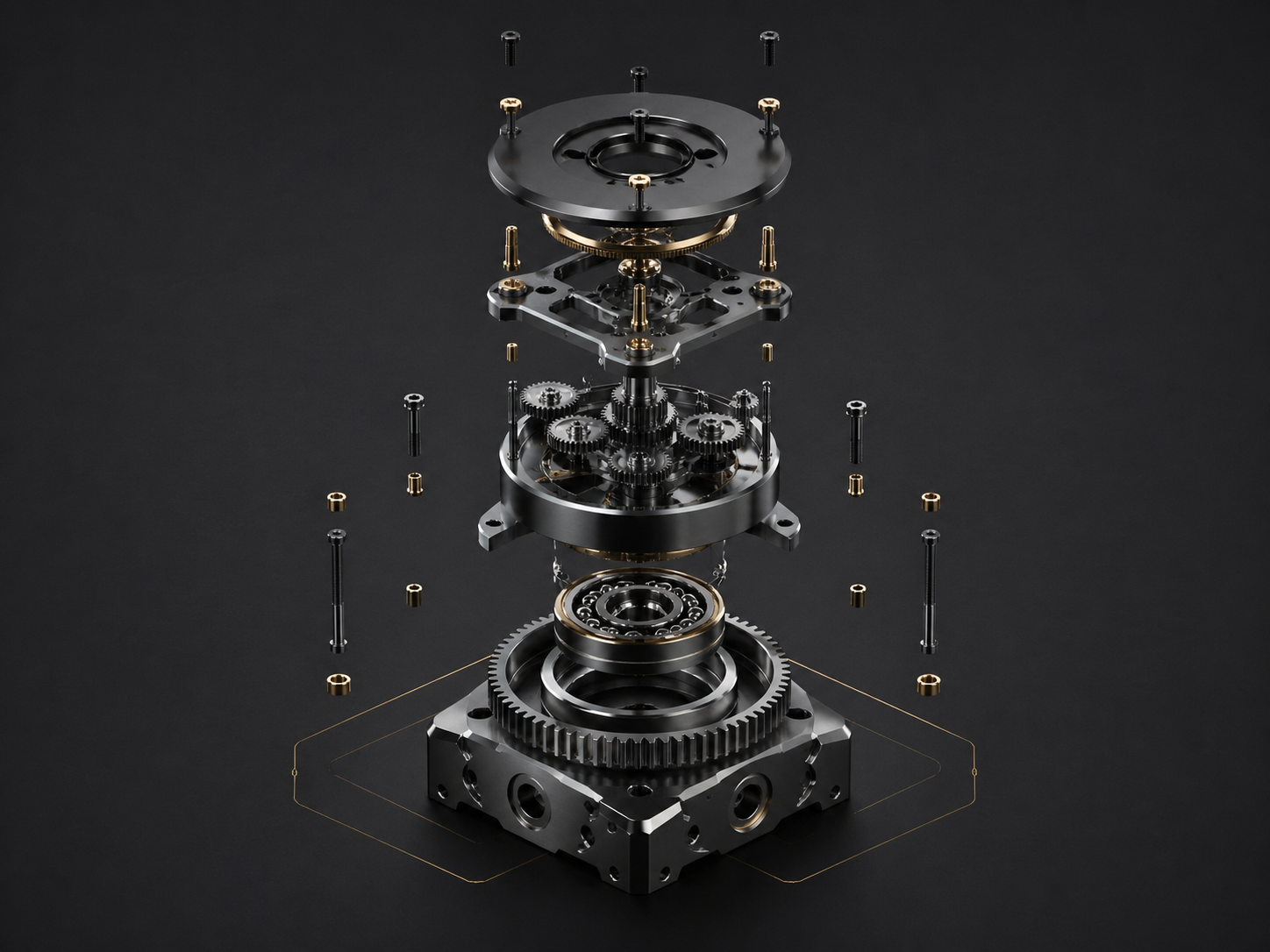
Performance under pressure is rarely decided in the moment alone. More often, it reflects the quality of preparation, the clarity of role, the strength of operating rhythm, and the seriousness of the system built beforehand.
Under pressure, organisations rarely rise to an idealised version of themselves. More often, they fall back to the quality of their preparation.
When organisations perform well under pressure, observers often describe what they can see most easily.
They talk about composure. Leadership. Confidence. Talent. Experience. They praise the quality of decision-making in the moment. They point to the calmness of the team, the sharpness of the response, the impression of control under strain. All of that may be true. But it is rarely the full explanation.
What appears to be calm in the moment is usually the visible result of work done much earlier.
That is the part many organisations underestimate. They imagine performance as an event rather than an accumulation. They focus on the critical moment and neglect the disciplines that shape it. They invest in the visible edge and underinvest in the quieter architecture beneath it: clarity of role, rehearsal of scenarios, strength of operating rhythm, quality of communication, definition of standards, and the repeated reinforcement that allows people to act decisively when ambiguity rises.
Preparation is often treated as support work around performance. Something useful, but secondary. Something that sits behind the scenes while the real contest plays out elsewhere.
That is a mistake.
Preparation is not adjacent to performance. It is one of its primary causes.
Reliability is built before it is visible
One of the great temptations in leadership is to focus on the dramatic moment and neglect the quieter disciplines that make performance repeatable.
The dramatic moment is emotionally compelling. It gives leaders a story to tell. It feels decisive. It creates the impression that success turns on nerve, instinct or brilliance under pressure. Sometimes it does. But even then, those visible qualities are usually carrying the weight of prior design. The organisation that responds well in a critical moment is often drawing on preparation that has become so embedded it is no longer noticed.
That is what makes preparation easy to undervalue. Done well, it can look almost invisible.
It lives in things that are not especially glamorous: role clarity, meeting rhythm, escalation pathways, documented assumptions, decision rights, contingency thinking, rehearsal, review discipline, and the repeated correction of small errors before they become systemic. None of these things attracts the same attention as the high-stakes decision itself. Yet together they determine whether an organisation enters pressure with enough order to act coherently.
This is why reliability should be treated as a designed outcome, not a personality trait.
Reliable organisations are not simply composed of better people. They are organisations in which more of the critical work has already been made explicit. They do not need to improvise everything in the moment because more of the underlying logic has been clarified beforehand.
Preparation is not support work around performance. It is one of its primary causes.
The disciplines that create composure
Preparation matters because pressure amplifies whatever is already in the system.
If the standards are weak, pressure exposes it.
If the roles are confused, pressure exposes it.
If the cadence is inconsistent, pressure exposes it.
If the assumptions were never tested, pressure exposes it.
That is why preparation is not just about rehearsal in the narrow sense. It is about creating conditions in which better execution becomes more likely. People know what matters. They know who decides. They know what standard applies. They know what failure signals look like. And they know the operating rhythm that keeps the system functioning when urgency increases.
This is where many organisations get the sequence wrong. They want responsiveness without prior clarity. They want adaptability without disciplined rhythm. They want calm execution without having made enough explicit beforehand.
But composure is rarely spontaneous. It is usually built.
In the language of the FORGE draft, this is part of what makes operating rhythm such a meaningful design variable. Execution is not merely a final burst of activity. It is sustained by the cadence that keeps strategy honest over time.
Why preparation is often neglected
Preparation is demanding precisely because so much of it feels ordinary.
It asks leaders to respect the disciplines that do not always look strategic enough or urgent enough in the moment. Documentation. Review. repetition. Clarification. Escalation pathways. Scenario thinking. Follow-through. These things lack glamour, and because they lack glamour they are often treated as administrative rather than strategic.
That is a serious misjudgment.
Many execution failures that are later explained as pressure failures are, in reality, preparation failures. The pressure merely accelerated the consequences. A vague strategy, an inconsistent cadence, poorly defined roles, weak review mechanisms, or unclear standards may all remain tolerable in easier periods. Under stress, they compound quickly. What could once be absorbed becomes destabilising.
This is why the organisations that appear most resilient in public are often the ones that took private preparation most seriously. They respected the ordinary disciplines long before the moment arrived.
Preparation turns pressure from shock into test
Pressure will always introduce uncertainty. Preparation does not remove that.
What it does is reduce the amount of unnecessary uncertainty the organisation creates for itself.
That distinction matters. No business can control every external shock, every market shift, every human variable, or every unexpected decision forced upon it. But it can control how much ambiguity exists inside the system before those shocks arrive. It can define what winning means. It can clarify decision rights. It can strengthen standards. It can test assumptions. It can establish the operating rhythm that prevents drift.
In that sense, preparation is not defensive. It is enabling.
It creates room for better judgment because fewer preventable weaknesses are competing for attention. It makes execution more dependable, not merely more hopeful. And in environments where the margin for error is small, dependability is often the difference between a difficult moment that can be absorbed and one that becomes defining.
That is why preparation deserves to be treated as a true competitive variable. Not because it guarantees success. It does not. But because it changes the odds in ways that are usually invisible until pressure arrives.
The argument of this essay is simple
Preparation is the real competitive advantage because it is the part most organisations claim to value, but few build with sufficient seriousness.
The teams that look most composed under pressure are often the ones that respected the quieter disciplines long before the moment arrived. They built clarity before urgency. They built rhythm before volatility. They built standards before compromise. They built the system before the strain.
And when the moment came, they did not need to become someone else.
They performed at the level of what they had already prepared.